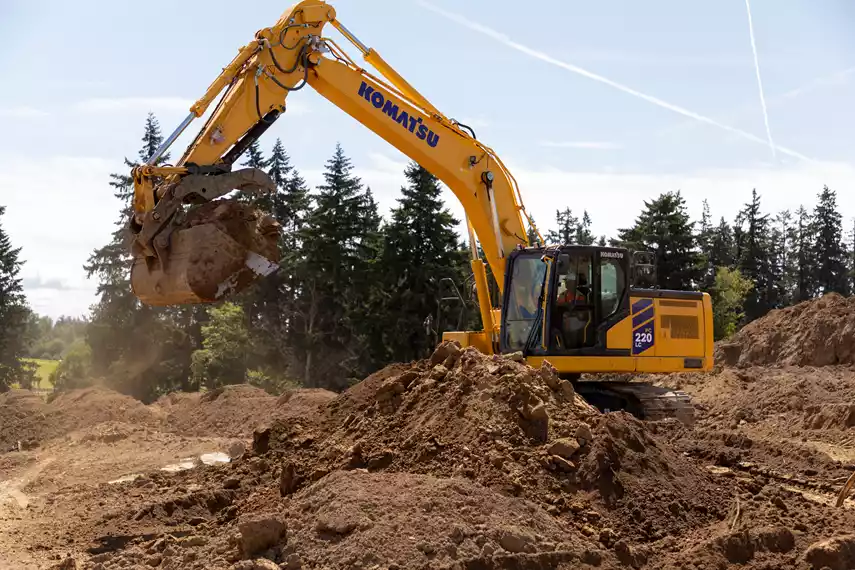
Rent, Buy Used, or Buy New: A Fleet Manager's Guide to Excavator Decisions
If you manage a fleet, the decision to rent, buy used, or buy new rarely comes down to sticker price alone. It comes down to utilization, risk, and how predictable your work really is. Each path has a situation where it wins, and a situation where it quietly costs you more than you planned for.
- A used excavator that sits idle for half the year is more expensive than a rental that shows up only when you need it.
- A rental you keep extending for nine straight months is quietly costing you money you could have turned into equity.
- A new machine bought at the wrong time leaves you carrying payments and depreciation that can’t limit your flexibility.
Here is how to think through all three paths and make the call that actually lowers your cost per hour.
The number that settles most buy-vs-rent debates
Before you weigh anything else, estimate utilization. What percentage of available working hours will this machine actually be running? A long-standing rule of thumb in equipment management is that once you expect to use a machine somewhere north of 60–70% of the time, ownership usually wins on cost per hour.
Utilization is both capacity and certainty of hours. A fleet manager with a year of work already booked is in a very different position than one chasing the next job.
When renting is the smarter call
Renting protects you from your own forecast being wrong.
- The job is short, one-off, or you're unsure it will repeat.
- You don't yet know the right size class or configuration for upcoming work.
- You need to cover a demand spike without permanently growing the fleet.
- Cash flow and balance-sheet flexibility matter more this quarter than long-term cost.
Renting also offloads transport, maintenance, and disposal risk onto the dealer, which is useful when your crews are stretched and you can't babysit another asset.
When buying used makes more sense
Buying earns its keep when the work is steady and recurring. If a machine will run most of the year, every year, ownership converts what would be rental expense into an asset with resale value. You also get full control of availability, so no scrambling when every rental yard in the region is tapped out during peak season. Additionally, you get the freedom to spec attachments and keep a known machine your operators trust.
Popular Excavator Use Cases
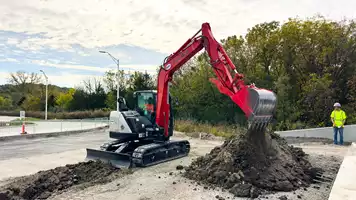
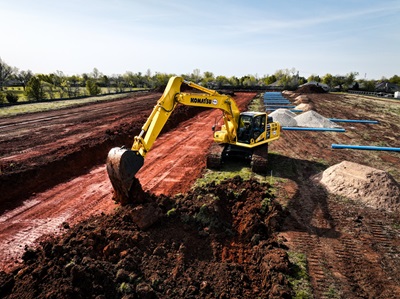
The majority of the work our customers are doing is mass excavation and tree grubbing, so those are the applications we focus on the most.
Knowing those applications helps us ask the right questions and recommend the best machine for the job. Every customer is a little different, and if we understand what they're trying to accomplish, we can help them choose the right machine instead of just the one they originally asked about.
When to buy an excavator
A new excavator makes the most sense when your work volume is high, consistent, and predictable. At this level of work, it is worth it to absorb the steeper upfront cost and early depreciation. If your fleet runs machines hard across multiple shifts, the warranty coverage and lower initial maintenance risk of a new unit can offset the price premium over time. If your utilization or volume of work does not justify a new machine, then a premium used excavator provides excellent work for a lower upfront cost.
If a machine will run most of the year, every year, ownership converts what would be rental expense into an asset with resale value. You also get full control of availability, so no scrambling when every rental yard in the region is tapped out during peak season, along with the freedom to spec attachments and keep a known machine your operators trust.
The next question is whether to buy new or used. A new excavator makes the most sense when your work volume is high, consistent, and predictable. For high-utilization fleets, the higher upfront investment can be justified by warranty coverage, lower maintenance risk, and stronger long-term value. If your utilization does not justify a new machine, a premium used excavator delivers the same core advantages at a lower upfront cost.
What to inspect before you buy a used excavator
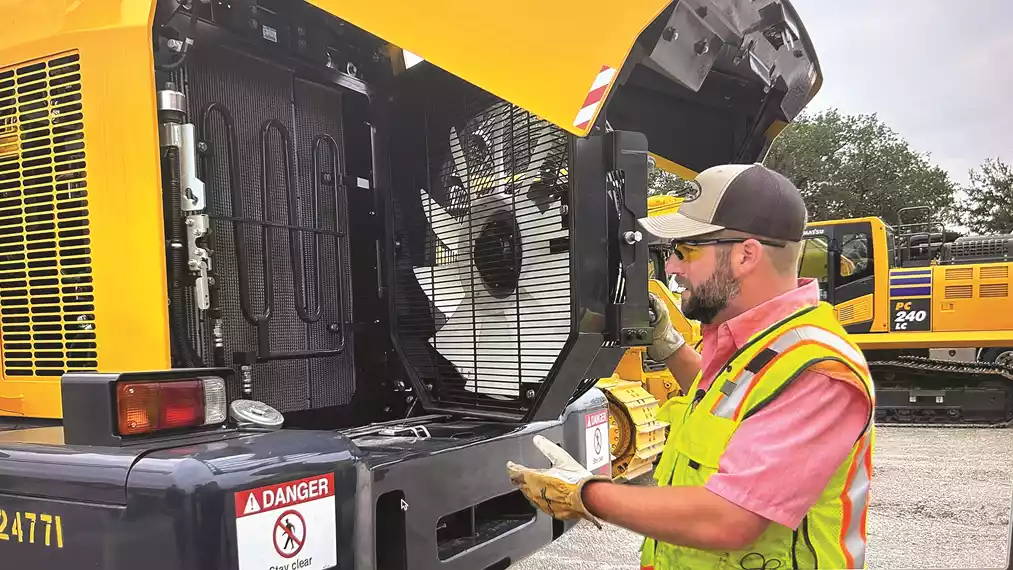
If you are directly in front of a machine, check these first:
- Hours vs. wear. A machine with low hours may still have significant wear if it wasn't properly operated or maintained. Compare the hour meter to its overall condition.
- Service records and inspection. A documented maintenance history and a recent multi-point inspection are worth paying for; they're the difference between a bargain and a project.
You also have access to trusted guidance from Kirby-Smith Machinery's experienced equipment professionals:
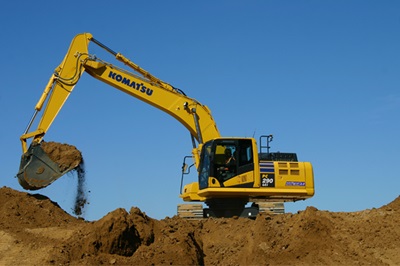
One of the first things you should ask for is an undercarriage inspection. That's one of the most expensive wear items on an excavator, and its condition can have a big impact on the machine's value.
You should also closely inspect the pins and bushings, especially at the bucket. Excessive play or wear there can tell you a lot about how the machine was operated and maintained.
Another area you should always look at is the center of the machine around the valve stack. If it's clean and free of excessive dirt, oil buildup, and signs of neglected leaks, it's usually a good indicator that the machine has been well cared for. While no used machine is perfect, those three areas can provide a quick snapshot of its overall condition before you dig any deeper.
How Kirby-Smith helps you decide
Kirby-Smith Machinery has supported contractors across Oklahoma, Texas, Kansas, and Missouri since 1983.
We guide customers to the right decision by acting as a trusted partner, not just a salesperson. We use our experience and industry expertise to ask the right questions and uncover the customer's real challenges and pain points.
Our goal isn't to sell a customer the machine they ask for. We help them find the machine they actually need. Sometimes a customer comes in looking for a specific machine, but a conversation about their application, production goals, and day-to-day challenges reveals that another solution may be a better fit.
That's where our expertise and knowledge of our in-house specialists make the difference. By understanding the customer's operation, we can recommend a solution that increases productivity, reduces costs, or eliminates a pain point they may not have realized had a better solution. When you are ready for assistance, browse Kirby-Smith's excavator inventory and request a quote. Our team can help you compare owning costs against a rental for your specific project before you commit.